
Course transcripts
Online instructor
Turn recorded lessons into editable transcripts, summaries, and reusable study material for students.
Example workflow
Convert Opus audio to clean text transcripts with Notesnip. Sign in to upload files and save your notes.
Notesnip's Opus to text converter turns Discord voice messages, WhatsApp voice notes, WebRTC calls and other Opus recordings into searchable transcripts and study notes. Upload Opus files up to 25 MB and 30 minutes, then review the transcript, summary, and follow-up questions in one workspace. Whether you're archiving interviews, captioning courses, or extracting quotes for an article, opus to text sits at the center of every modern content workflow. Notesnip makes it a one-click job.
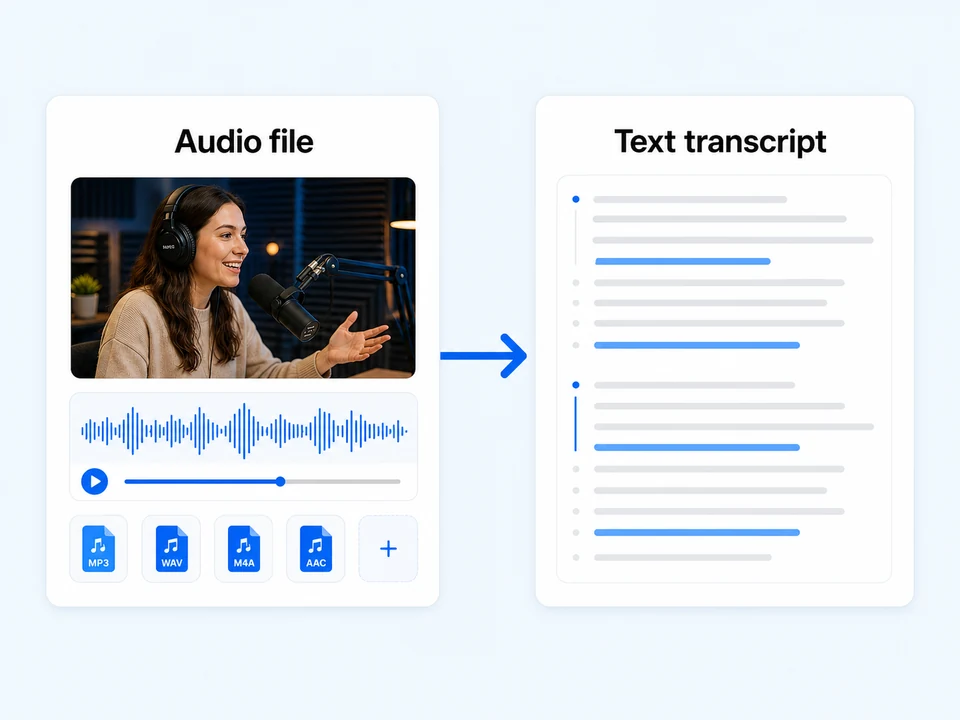
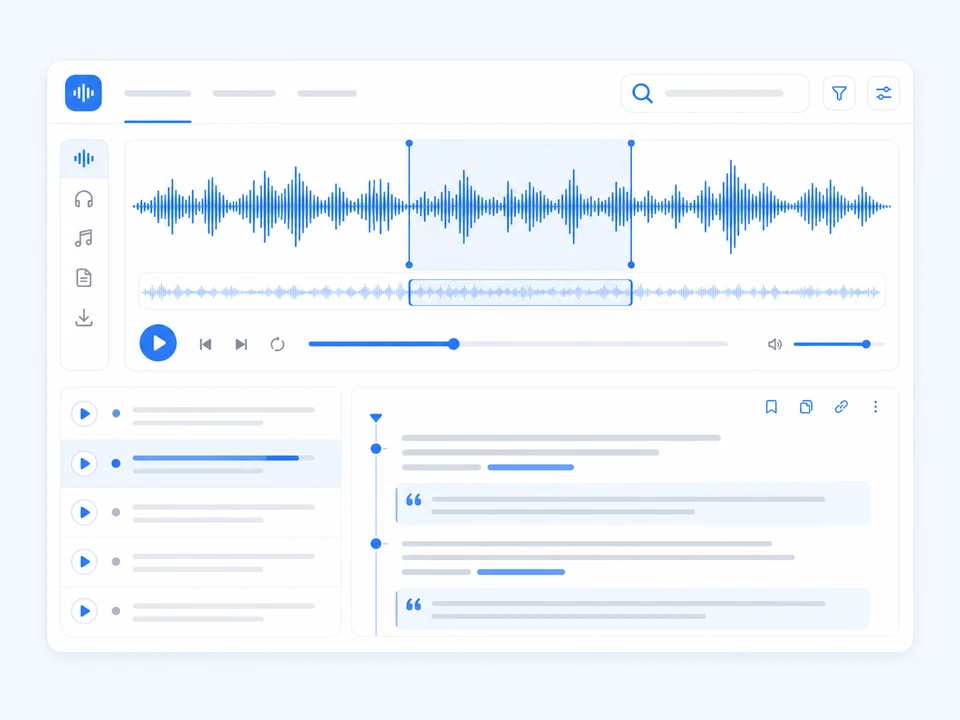
Manual transcription is tedious, especially when you also need punctuation, timestamps, and reusable notes. Notesnip helps convert supported opus sources into a readable text workflow you can review, edit, and export.
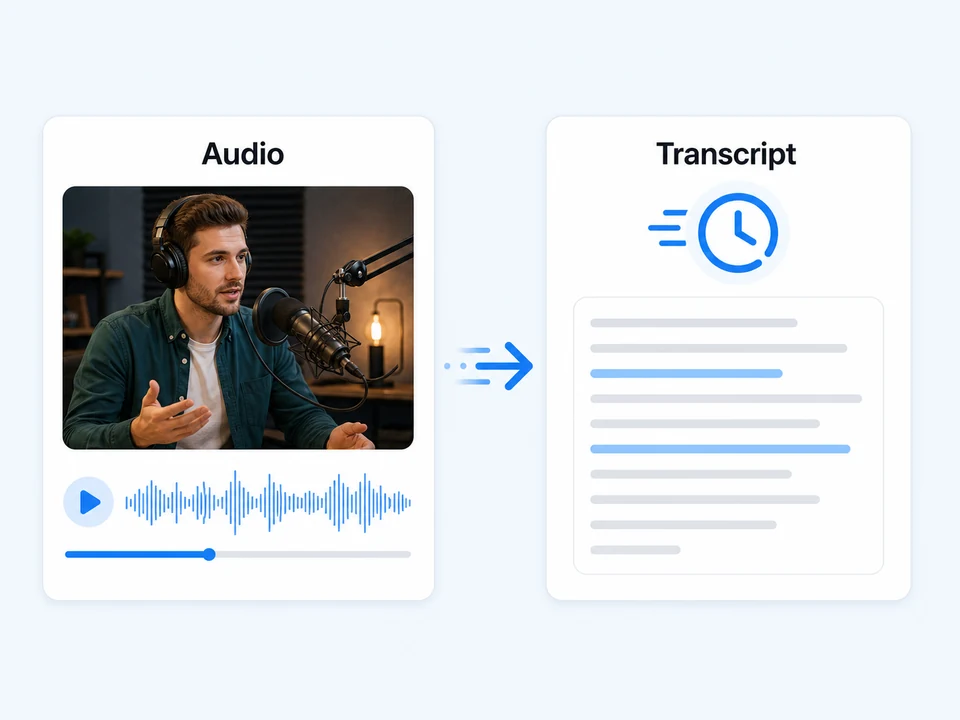
Everything you need to turn opus recordings into usable text without fighting software.
Keep sources, transcripts, summaries, and study notes together in one searchable workspace.
Export as TXT, Markdown, SRT, WebVTT, or CSV — timestamps, speaker labels, and cue indices preserved.
Try the core workflow for free, then sign in to save history and use higher quotas.
Readable formatting, summaries, suggested questions, and topic-focused study output.
Uploads are encrypted in transit and deleted after processing. Your recordings never train any model.
Processing time depends on source length, audio quality, and current system load.
Drag and drop a supported Opus file. Upload limits depend on file type and plan.
Notesnip extracts text, cleans it up, and prepares summaries and study notes when analysis is available.
Copy, download as Text, or pipe the output straight into a summary or notes.
Turn supported opus sources into editable text and notes.
Free plan available · Sign in for uploads
Use Notesnip to turn source material into editable text, study notes, and searchable context.
Online instructor
Turn recorded lessons into editable transcripts, summaries, and reusable study material for students.
Founder or operator
Convert client calls and review sessions into searchable notes with key moments and follow-up questions.
Marketing team
Extract clean talking points, quotes, and source text from webinars, demos, and recorded presentations.
Student
Review long lectures with timestamps, summaries, flashcards, and a chat grounded in the transcript.
People team
Create searchable documentation from onboarding videos, internal recordings, and training sessions.
Content creator
Find reusable quotes, chapters, and newsletter-ready notes from interviews and long-form episodes.
You can try Notesnip for free. Sign in to upload Opus files, save history, and use higher quotas.
Accuracy depends on audio quality, language, speaker overlap, and background noise. Clear speech usually produces the best transcript.
Up to 25 MB per Opus file, with a 30 minutes duration limit for uploaded audio.
Notesnip focuses on turning speech into readable notes and transcripts. Speaker labels may vary by source quality and processing path.
Transcription supports many languages, and language handling depends on the source quality and the underlying speech model.
Yes. Export as TXT for plain text, SRT or WebVTT for video captioning, Markdown for note apps like Obsidian/Notion, or CSV for structured analysis.
Yes. Uploads are processed over HTTPS and files are deleted after transcription completes. We never train models on your audio.
If you work with Opus, you might also need:
Convert OGG audio to clean text transcripts with Notesnip. Sign in to upload files and save your notes.
Convert MP3 audio to clean text transcripts with Notesnip. Sign in to upload files and save your notes.
Convert M4A audio to clean text transcripts with Notesnip. Sign in to upload files and save your notes.